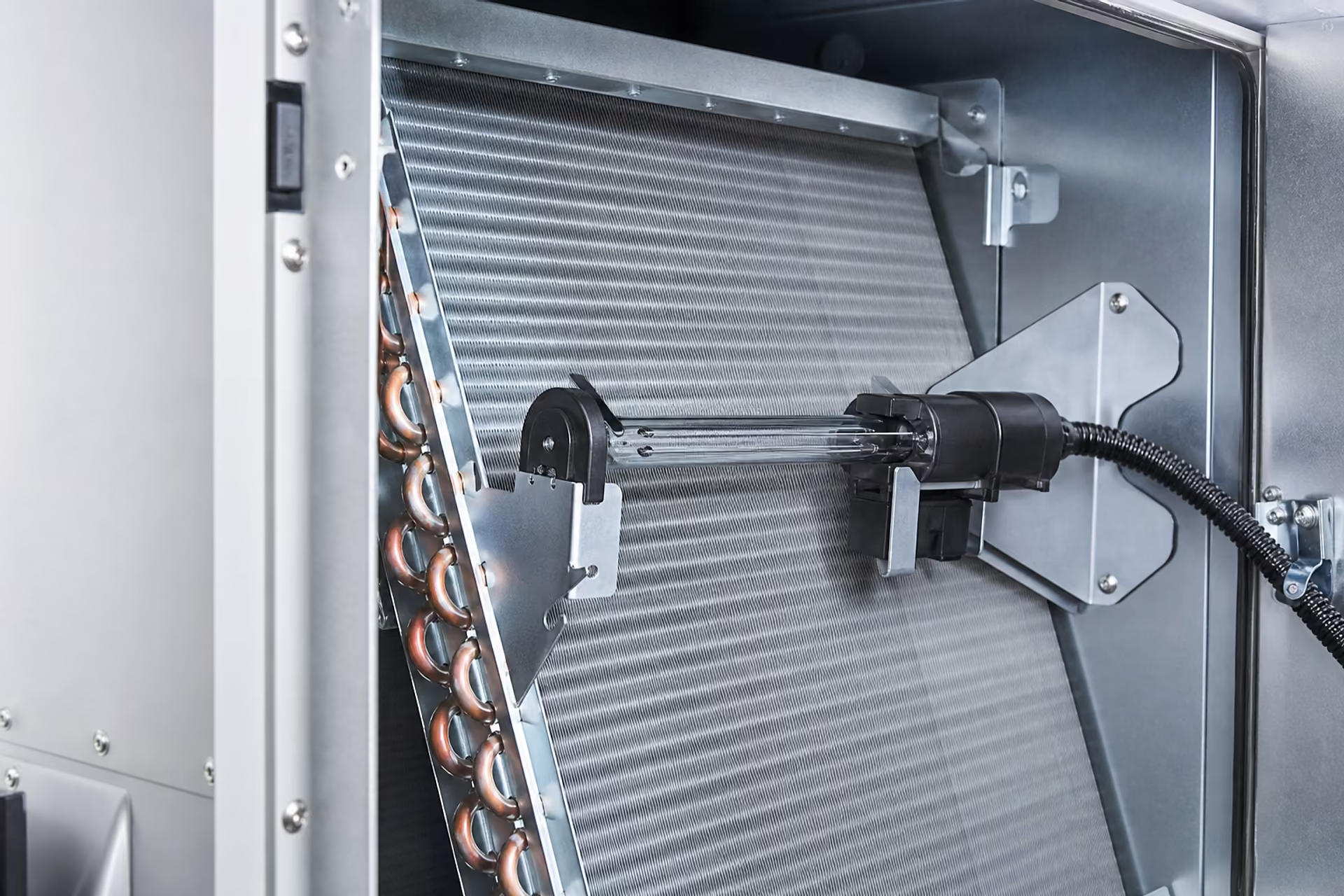
Coil-focused
Continuous exposure of the evaporator-coil and drain-pan zone inside the cabinet.
Coil-focused UV-C can help manage microbial buildup on the HVAC surfaces it illuminates. It is one part of system hygiene, not a cure-all.

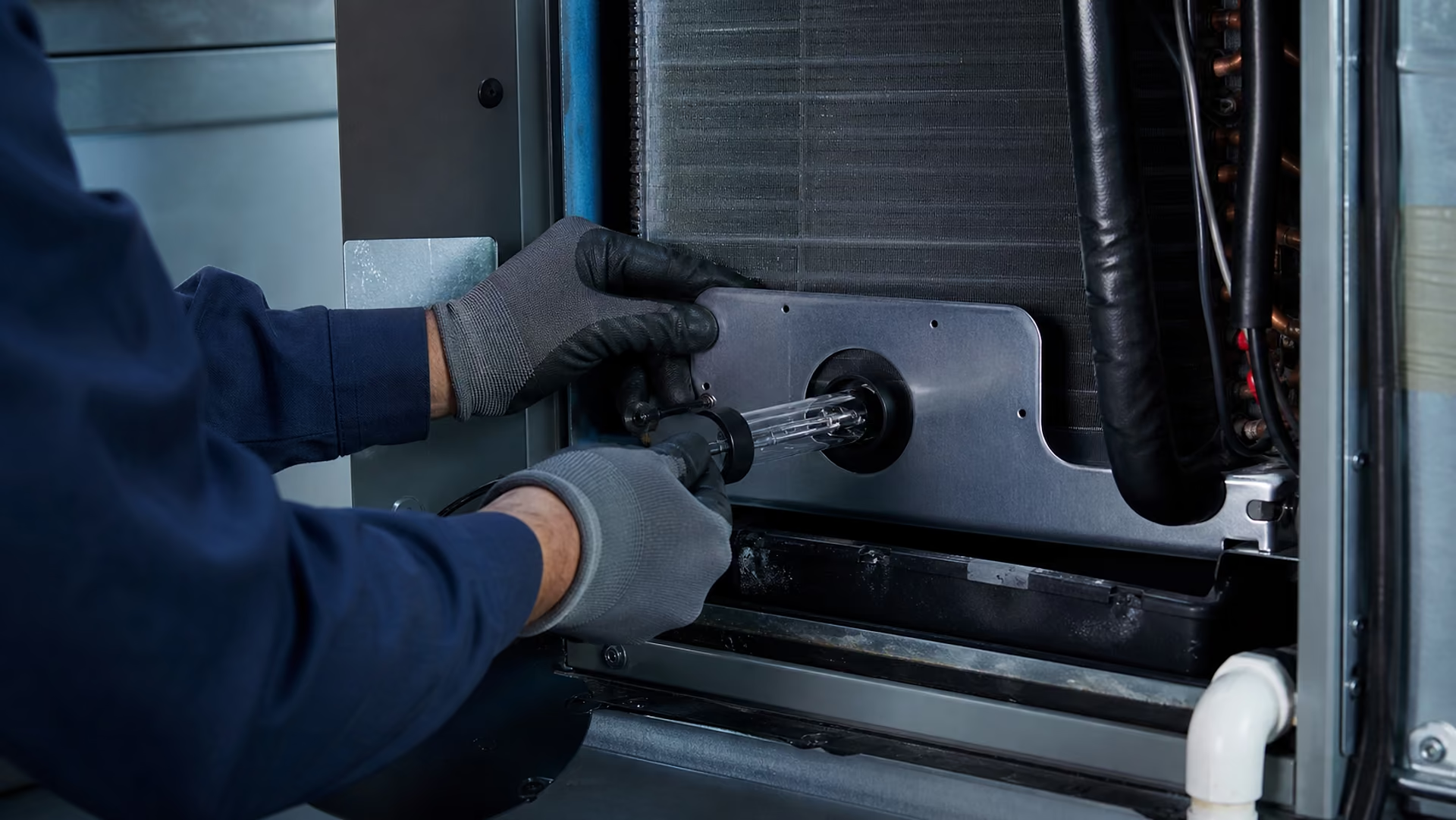
UV-C equipment uses a specific range of ultraviolet energy to irradiate selected surfaces or moving air inside compatible HVAC equipment. Residential coil-focused units are designed for continuous exposure of the evaporator-coil area; in-duct applications require sufficient intensity and exposure time to do anything at all.

A UV-C lamp is installed within a compatible air handler or duct section. Coil-focused units continuously irradiate selected internal surfaces. What it achieves depends on product quality, placement, exposure, system design and maintenance. Nothing else.
Continuous exposure of the evaporator-coil and drain-pan zone inside the cabinet.
Treats moving air and depends on correct sizing, intensity and exposure time.
Clear safety documentation, appropriate certification and available replacement lamps.
We prioritise products not designed to intentionally generate ozone and review the documentation.
UV-C stays enclosed. Power is isolated before access and lamps are never viewed directly.
Placement limits prolonged exposure of vulnerable plastics, wiring and filter media.
Output falls before a lamp stops glowing. The product-specific interval is what matters.
Space, access, wiring, cabinet materials and manufacturer instructions decide feasibility.
Share what you know. “Not sure” is a valid answer at every step.
A properly installed UV-C lamp continuously irradiates selected surfaces inside compatible HVAC equipment. It can help control microbial growth where the light reaches, especially around the coil area.
Placement depends on the equipment. A coil-focused unit is typically mounted inside or adjacent to the air handler so its light reaches the evaporator coil and nearby drain-pan area.
No. Filtration captures airborne particles; UV-C treats illuminated surfaces or air depending on system design. They perform different jobs.
No. Existing heavy buildup should be cleaned first. UV-C can then support ongoing surface hygiene.
Output declines over time even if a lamp still glows. Follow the manufacturer’s interval, often one to two years, and inspect the system periodically.
No. We check space, access, wiring, materials and manufacturer guidance before recommending an installation.
Timing depends on equipment and access. We confirm a service-duration estimate after inspection.
It must be enclosed, installed with the system powered down and never viewed directly while operating. Access panels and safety labeling matter.
Prolonged UV exposure may affect some plastics, wiring insulation or filter media. Correct placement and shielding help protect vulnerable materials.
Tell us the system type, what you have noticed and where the property is. We will help you work out the most appropriate next step, including when the answer is “nothing yet”.
